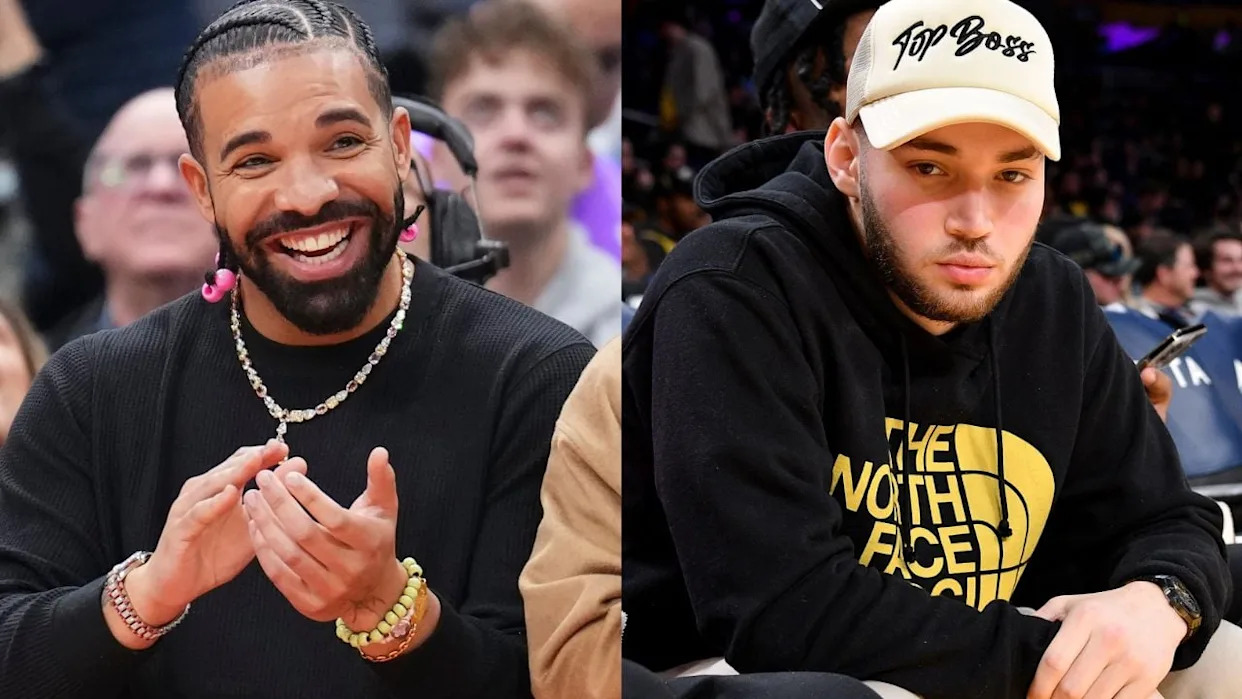
In a bombshell class-action lawsuit filed in late December 2025 in the U.S. District Court for the Eastern District of Virginia, Canadian rapper Drake (Aubrey Graham), popular streamer Adin Ross, and Australian national George Nguyen face serious allegations of racketeering and consumer deception. The suit, brought by Virginia residents LaShawnna Ridley and Tiffany Hines on behalf of potentially thousands of Stake.us users, accuses the defendants of promoting an illegal online gambling operation and using its proceeds to manipulate music streaming metrics. This case highlights growing concerns over celebrity endorsements in unregulated industries like crypto-gambling and the integrity of digital music platforms.
The Core Allegations
At the heart of the complaint is Stake.us, the U.S.-facing arm of the international online casino Stake.com. Launched after Stake.com was banned in the U.S. due to gambling regulations, Stake.us markets itself as a “social casino” or sweepstakes platform. Users purchase virtual currencies—such as non-redeemable “Gold Coins” bundled with redeemable “Stake Cash”—to play games. However, the lawsuit claims this setup is a loophole for real-money gambling, as Stake Cash winnings can be converted to cryptocurrency or digital gift cards, exposing users to addiction and financial losses without proper oversight.
Drake, who signed a reported $100 million annual promotional deal with Stake in 2022, is accused of being central to the scheme. He allegedly used his massive social media presence (over 142 million Instagram followers) to post betting slips and livestream gambling sessions, portraying Stake.us as safe and lucrative. These promotions, often featuring “house money” provided by Stake, are said to have misled young audiences, including Ross’s followers on platforms like Kick (co-owned by Stake’s Australian parent company, Easygo).

The RICO claims escalate further: The defendants allegedly exploited Stake’s encrypted “tipping” feature—an unregulated money transfer system—to funnel funds between themselves. Documented tips include $100,000 and $10,000 from Drake to Ross and others. These transfers purportedly financed “botting campaigns” and “streaming farms,” where automated bots generated fake streams of Drake’s music on Spotify and similar platforms. This artificial inflation boosted Drake’s royalties, distorted recommendation algorithms, suppressed authentic artists, and even funded disparaging content against competitors like Kendrick Lamar amid their public feud.
George Nguyen, owner of the Instagram account @grandwizardchatn**** (also known as Grandavious), is described as a key facilitator. He allegedly converted Stake winnings into cash or cryptocurrency to pay bot vendors and coordinate amplification efforts on social media.
The plaintiffs argue these actions violated the federal RICO Act (through a pattern of racketeering) and the Virginia Consumer Protection Act (via false advertising). They seek at least $5 million in damages—potentially tripled under RICO—restitution, an injunction to halt Stake.us operations in the U.S., and attorneys’ fees. The class could include anyone who lost wagers using Stake Cash in the past three years.
Timeline and Background
- 2022: Drake signs endorsement deal with Stake; begins promoting via Instagram posts about massive bets (e.g., gambling $124.5 million and losing $8.2 million in one month).
- 2023-2024: Public tips and giveaways, including Drake’s “Drizz giveaway” in December 2024 involving Ross and Nguyen.
- October 2025: Similar class-action suit filed in Missouri against Drake, Ross, and Stake’s parent company (moved to federal court).
- December 31, 2025: Virginia lawsuit filed.
- January 2026: Additional filings in states like New Mexico; public reactions from supporters like rapper DDG.
This isn’t Drake’s first brush with streaming manipulation claims. In December 2024, he sued Universal Music Group (UMG), Kendrick Lamar, and iHeartMedia in Texas, alleging bots inflated Lamar’s diss track “Not Like Us.” That case was dismissed, adding irony to the current accusations.
Stake.us has dismissed the claims as “nonsense,” insisting it lacks a tipping function usable for such purposes and expressing no concern. Representatives for Drake, Ross, and Nguyen have either declined comment or not responded. No criminal charges have been filed, but the civil case could uncover evidence leading to further investigations, such as money laundering.
Broader Implications
The lawsuit underscores vulnerabilities in the music industry, where streaming metrics drive billions in revenue. It also spotlights the risks of celebrity-driven crypto-gambling endorsements, especially targeting youth. California banned similar sweepstakes casinos in 2025, and other states may follow. For consumers, it raises questions about platform accountability and the true cost of “free” virtual gaming.
As the case progresses, expect updates on class certification and potential settlements. Stakeholders in music, gaming, and regulation will watch closely for its impact on digital ethics.
Drake RICO Lawsuit 2026: Full Details on Adin Ross, Stake Botting Scandal and Streaming Manipulation Exposed
If you’re searching for the latest on the Drake RICO lawsuit 2026, you’ve landed on the ultimate guide. This explosive case involving Drake Adin Ross Stake lawsuit has rocked the entertainment world, with allegations of illegal gambling, botting, and artificial stream inflation. As a leading source for celebrity news and legal breakdowns, we’ll dive deep into what happened, why it matters, and the potential fallout. Updated as of January 12, 2026, this SEO-optimized article covers everything from key facts to expert analysis—helping you understand the Drake botting scandal and its ties to Stake gambling RICO claims.
What Is the Drake RICO Lawsuit? Breaking Down the Allegations
The Drake and Adin Ross RICO lawsuit stems from a federal class-action complaint filed on December 31, 2025, in Virginia’s Eastern District Court. Plaintiffs LaShawnna Ridley and Tiffany Hines accuse Drake, Adin Ross, George Nguyen, and Stake.us of violating the Racketeer Influenced and Corrupt Organizations (RICO) Act and Virginia’s Consumer Protection Act. At stake? At least $5 million in damages, which could triple under RICO penalties.
Central to the Drake Stake botting claims is Stake.us, an online platform posing as a “social casino.” Users buy virtual coins (Gold Coins and Stake Cash) for games, but the suit alleges it’s real-money gambling in disguise—winnings convertible to crypto, bypassing U.S. laws. Drake, Stake’s ambassador since a 2022 $100 million deal, promoted it via Instagram posts and livestreams, including boasts of $124.5 million wagers.
The real twist? Funds from Stake’s “tipping” system allegedly fueled Drake streaming manipulation. Tips like $100,000 from Drake to Ross hid transfers used to hire bots and streaming farms, inflating Drake’s Spotify plays, rigging algorithms, and bashing rivals like Kendrick Lamar. Nguyen handled the logistics, converting funds for bot vendors.
This Adin Ross Stake scandal targeted young fans, with Ross’s Kick streams (Kick is tied to Stake’s owners) amplifying the deception. The scheme, ongoing since 2022, distorted the music industry and harmed users through addiction and losses.
Timeline of the Drake Adin Ross Lawsuit: Key Events in 2026 and Beyond
- 2022: Drake inks $100M Stake deal; promotions begin.
- 2023-2024: Public tips and giveaways, including Drake-Ross exchanges.
- October 2025: Missouri suit filed (similar claims).
- December 2025: Virginia filing; Drake’s Texas bot suit against Lamar dismissed.
- January 2026: New Mexico filings; Stake denies claims as “nonsense.”
No criminal charges yet, but discovery could reveal more on Drake RICO botting 2026.
Why This Matters: Impact on Music Streaming and Gambling Laws
The Drake artificial streams lawsuit exposes how bots undermine artists and fans. Spotify and others face algorithm integrity issues, while Stake’s model—banned in states like California (2025 law)—highlights crypto-gambling risks. For U.S. users, it could mean refunds and stricter regs.
Experts say this echoes Drake’s Lamar feud, where bots were weaponized. If proven, it could cost Drake millions and tarnish his brand.
Responses and Next Steps in the Drake Stake RICO Case
Stake calls it baseless; Drake and Ross silent. Supporters like DDG defend them. Expect class certification soon—stay tuned for updates on Drake lawsuit 2026 developments.
For more on celebrity scandals, check our guides to music industry controversies. Sources include top outlets for accurate, timely info.